
How Retail Assortment Insights via Coppel Marketplace Data Scraping Unlock 45% Better Market Positioning?
March 05
Introduction
Retail competition in digital marketplaces is increasingly shaped by how effectively brands manage product assortment and pricing strategies. Retailers that rely on manual tracking or outdated data sources often miss emerging opportunities in fast-moving categories such as electronics, home goods, fashion, and appliances.
By extracting structured product information, sellers can analyze category depth, understand price positioning, and compare assortment strategies against competitors in real time. Businesses can Scrape Coppel Product Data to analyze listings, review product availability, and monitor brand presence across categories.
Retail analytics teams can evaluate thousands of SKUs and measure assortment overlap with competing brands. This allows retailers to identify high-demand products, discontinued items, or categories with limited supplier presence. By using Retail Assortment Insights via Coppel Marketplace Data Scraping, retailers gain actionable intelligence that improves merchandising strategies, enhances category management decisions, and increases visibility across competitive marketplaces.
Analyzing Product Category Coverage and Competitive Assortment Gaps
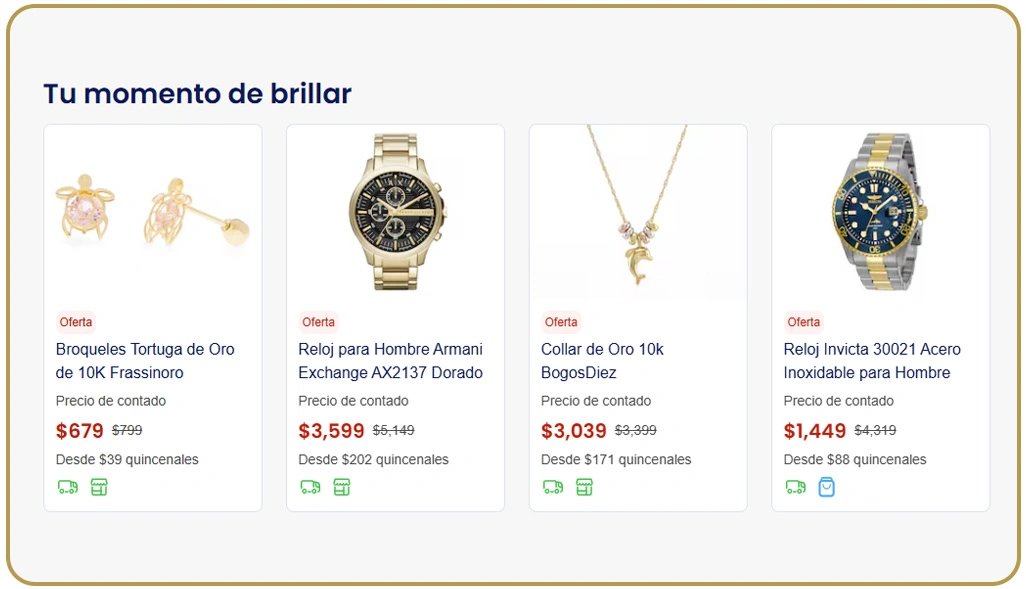
Retailers operating in large digital marketplaces often struggle to understand whether their product portfolio truly reflects consumer demand. Without structured insights, businesses may repeatedly invest in saturated product segments while ignoring categories with high potential growth. Data-driven assortment evaluation helps retailers uncover these blind spots and improve strategic product planning.
Modern analytics methods powered by Web Scraping Ecommerce Data allow companies to evaluate thousands of product listings across marketplace categories. By gathering structured information about brands, prices, product variations, and category distribution, businesses can compare their assortment with competitors and identify missing product segments.
Retail intelligence teams frequently use automated comparison techniques such as Coppel Product Benchmarking via Crawler to evaluate how product offerings differ across sellers. For example, some categories may show intense competition within mid-range pricing, while premium segments remain underrepresented. Retailers that analyze such patterns can diversify their catalog with carefully positioned products to attract different customer groups.
Example Marketplace Assortment Comparison:
| Category | Competitor Listings | Brand Variety | Average Price Range | Assortment Gap |
|---|---|---|---|---|
| Smartphones | 1250 | 40+ Brands | $180–$900 | Low |
| Home Appliances | 480 | 18 Brands | $90–$650 | Medium |
| Fashion Accessories | 720 | 55 Brands | $12–$95 | Low |
| Kitchen Equipment | 310 | 12 Brands | $20–$240 | High |
By consistently evaluating category coverage and competitor assortments, retailers can align their product portfolio with real demand patterns.
Building Smarter Pricing Strategies with Marketplace Intelligence
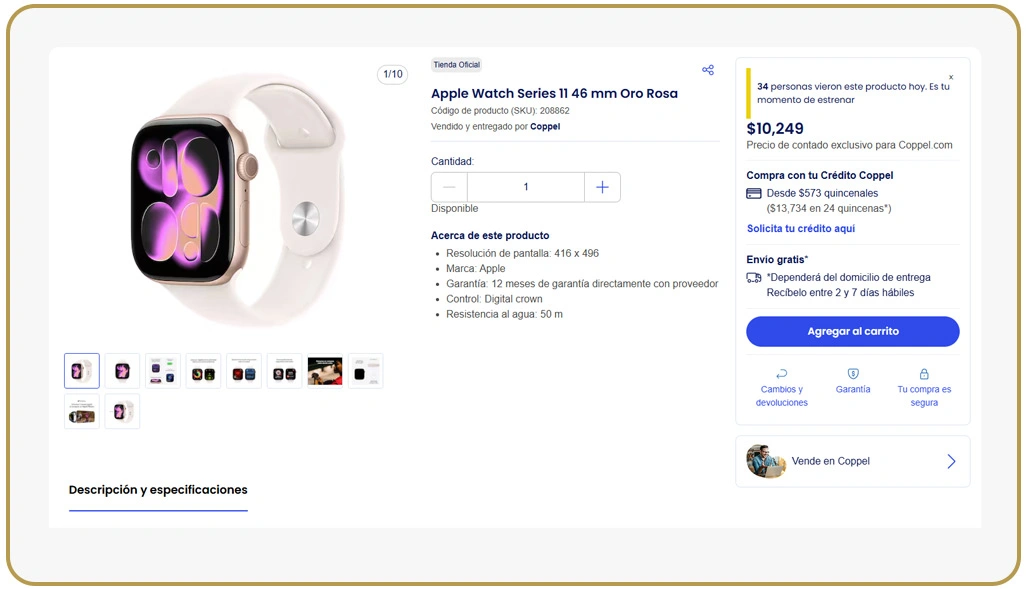
Pricing accuracy has become one of the most critical factors influencing product visibility and sales in digital marketplaces. Even minor price differences can determine whether a product appears in top search results or loses customers to competing sellers. Modern analytics solutions rely on large E-Commerce Datasets to evaluate competitor price patterns and promotional behavior across product categories.
These datasets help businesses understand how pricing fluctuates during seasonal campaigns, clearance sales, and product launches. Retailers can also monitor dynamic pricing movements through Real Time Coppel Pricing Data Extraction for Competitors Analysis. This approach allows companies to track competitor price adjustments instantly and maintain competitive yet profitable pricing strategies.
Another valuable strategy is conducting Competitors Sales Analysis via Coppel Extraction, which helps retailers understand which pricing levels generate the highest customer engagement and conversion rates. By combining pricing insights with sales performance data, businesses can determine the most effective pricing range for each product category.
Example Competitive Pricing Intelligence Table:
| Product Category | Avg Competitor Price | Lowest Price | Highest Price | Recommended Price |
|---|---|---|---|---|
| Smartphones | $520 | $430 | $880 | $505 |
| Washing Machines | $420 | $350 | $690 | $405 |
| Gaming Consoles | $460 | $399 | $580 | $445 |
| Coffee Makers | $85 | $62 | $120 | $82 |
Data-backed pricing analysis enables retailers to balance profitability with marketplace competitiveness.
Tracking Inventory Movement and Emerging Marketplace Demand Trends
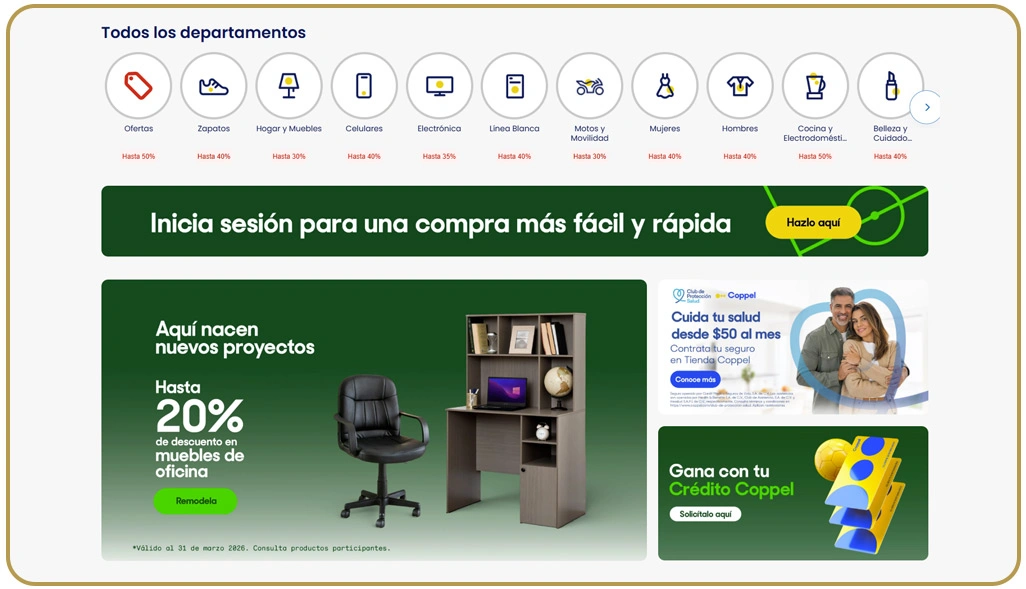
Retail inventory planning becomes increasingly complex when sellers lack clear visibility into marketplace demand patterns. Without accurate insights into product availability and sales velocity, businesses risk overstocking slow-moving products or missing opportunities in high-demand categories. Advanced analytics combined with Market Research methods help retailers understand how customer preferences evolve across product segments.
One effective method for monitoring category performance is Web Scraping Coppel Inventory & Category for Insights, which enables retailers to analyze product listings, stock levels, and category distribution across multiple sellers. By continuously tracking these data points, companies can quickly detect supply shortages or sudden demand spikes.
Retailers also rely on Coppel Listings Scraping for Retail Inventory Trends to identify newly introduced products and measure the growth of specific product categories. When retailers observe listing expansion combined with strong customer demand, they can introduce similar or complementary products to capture additional market share.
Example Inventory Demand Insights:
| Product Type | Listings Growth | Avg Monthly Sales | Stock Availability | Demand Trend |
|---|---|---|---|---|
| Smart TVs | +18% | 850 units | Medium | Rising |
| Refrigerators | +10% | 620 units | High | Stable |
| Gaming Accessories | +26% | 910 units | Medium | Strong |
| Air Fryers | +32% | 780 units | Low | Rapid Growth |
Retailers who monitor inventory movement and marketplace demand trends can align procurement strategies with real consumer demand while minimizing excess stock risk.
How Web Data Crawler Can Help You?
Marketplace intelligence has become essential for retailers competing in data-driven ecommerce environments. Businesses seeking smarter assortment planning and competitive visibility rely on Retail Assortment Insights via Coppel Marketplace Data Scraping to identify profitable opportunities and optimize product portfolios.
Our solutions help businesses transform marketplace data into strategic insights through:
- Large-scale product catalog monitoring.
- Competitor assortment tracking across categories.
- Automated marketplace pricing intelligence.
- Inventory availability monitoring across sellers.
- Category performance and demand trend tracking.
- Real-time data pipelines for analytics integration.
Our platform also supports Coppel Listings Scraping for Retail Inventory Trends, helping retailers monitor assortment evolution and respond to demand changes in real time.
Conclusion
Retailers operating in competitive marketplaces must continuously refine their assortment strategies to maintain visibility and profitability. Businesses that adopt Retail Assortment Insights via Coppel Marketplace Data Scraping can analyze marketplace dynamics more accurately and position their product portfolios strategically.
In addition, advanced retail analytics powered by Coppel Product Benchmarking via Crawler allows businesses to compare competitor assortments, evaluate category performance, and strengthen long-term merchandising strategies. Contact Web Data Crawler today to transform marketplace data into powerful competitive insights.